Built by a clinician who taught therapeutic communication
The clinical communication standard for nursing programs and hospital nursing education. HIPAA-compliant, deployable from simulation lab through active clinical placement.
Close the AACN evidence gap
Clinical-log tools like Typhon store what a student says happened. Simulation platforms score a scripted encounter with a virtual patient. Neither produces a scored, timestamped record of what a student actually said to a real patient. NurseKind AI is that record: AACN Essentials evidence, built from real clinical encounters.
We're HIPAA-compliant, which means programs can use this in real clinical environments, not just pre-clinical prep. Faculty set the standard. The platform documents it, without a faculty observer in the room.
NurseKind AI serves ADN and BSN programs, graduate nursing programs, and hospital nursing education departments.
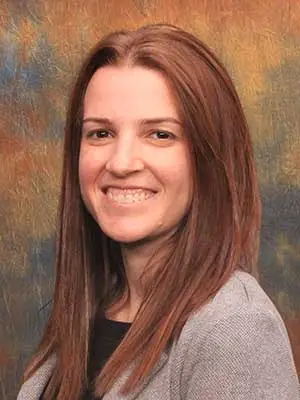
Built by a clinician who practiced therapeutic communication, taught it to nursing students, and watched programs fail to assess it. There was no standard and no tool. So she built one.
I've spent over a decade in the emergency department at Long Island Jewish Medical Center, working with patients in psychiatric crisis, from adolescents to adults, treating everything from acute suicidal ideation to psychotic episodes. I've also worked in inpatient eating disorder units, community mental health clinics, and residential programs for deaf and developmentally disabled students. These experiences taught me something crucial: the difference between adequate care and exceptional care comes down to one thing, how well we connect with our patients.
Now, as an Assistant Professor at Hofstra University's nursing program, I see talented students master clinical skills and ace their exams, but struggle with something harder to teach and even harder to assess: therapeutic communication, empathy, and presence. Traditional simulation labs are great for procedures and protocols, but they don't capture the nuance of real patient interactions.
That's why I created NurseKind AI. Whether you're training future psychiatric nurses, med-surg nurses, pediatric nurses, or any other specialty, humanistic care matters. Every nursing student deserves real feedback on how they communicate, how they show empathy, and how they build trust with patients, before they walk into their first real clinical situation.
I built this platform because I believe artificial intelligence can help us do something we've always struggled with in nursing education: give every student personalized, objective feedback on the skills that matter most. Not to replace human judgment, but to support it. Not to reduce nursing to a checklist, but to help students develop the presence and communication skills that define excellent care.
If you're a nursing educator who's ever wished you had more time to give meaningful feedback on student interactions, or if you're looking for better ways to assess and develop humanistic care competencies, I'd love to talk with you. Schedule a demo and let's explore how NurseKind AI can support your program.
Background: Doctor of Nursing Practice (DNP) from Hofstra University · Master of Science in Nursing (MSN) in Family Psychiatric Mental Health from Boston College · Over 11 years as a Psychiatric Nurse Practitioner at Long Island Jewish Medical Center · Clinical expertise in emergency psychiatry, eating disorders, adolescent and child psychiatry, and working with diverse populations including deaf and developmentally disabled communities · Fluent in American Sign Language
Different from other nursing education platforms
Real interactions, real learning
Unlike simulation platforms, NurseKind AI analyzes actual student-patient conversations, capturing authentic communication patterns, empathy, and therapeutic presence in real-world practice scenarios.
Evidence-based assessment
Our AI assessment criteria map directly to the NCSBN Clinical Judgment Measurement Model and AACN Essentials, ensuring alignment with accreditation standards and Next Generation NCLEX competencies.
Built by nurses, for nurses
Created by a practicing psychiatric NP and nursing educator. Every feature reflects the real constraints of clinical education: faculty time, accreditation requirements, and the difficulty of standardizing communication assessment.
HIPAA-compliant
Deployable in simulation labs, clinical prep courses, and active clinical placements. Programs can hold a consistent communication standard across the entire student journey, including environments where patient information is present.
What we hold to
Ready to set the standard for clinical communication?
Nursing programs and hospital nursing education departments use NurseKind AI to develop and document clinical communication competency from first semester through graduation.
Book a demo →